
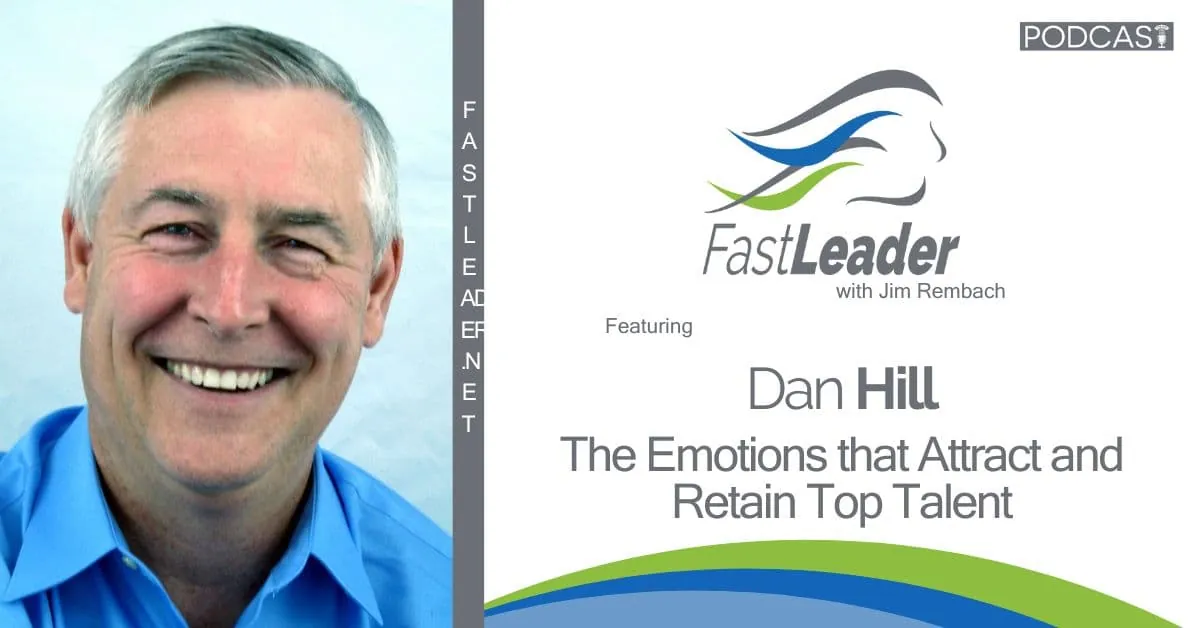
The Emotions that Attract and Retain Top Talent
As class ended, a student patted the top of his own head and remarked on the great lecture, signaling that the material had gone completely over his head.
We see the exact same dynamic when leaders attempt to navigate career transitions or enterprise growth using traditional forward-looking roadmaps.
Categoriesstrategy execution
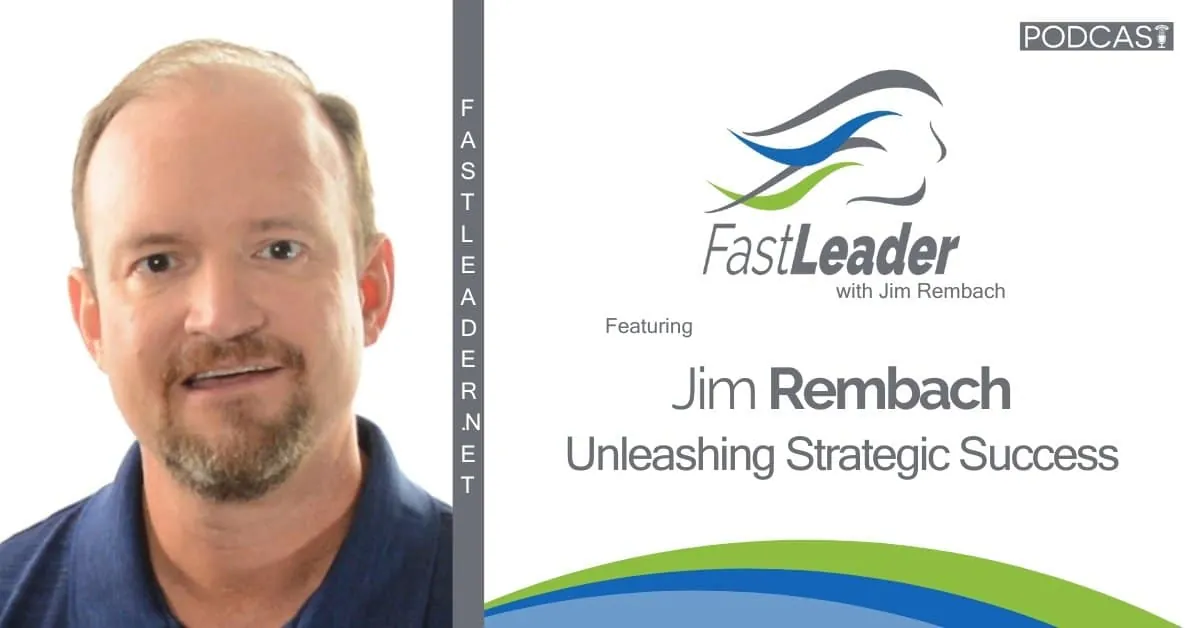
This Fast Leader Show episode covers unleashing Strategic Success. Here is what the conversation covers, then the key insights.
When market volatility increases and legacy planning models fail to deliver, even experienced leaders default to high-risk shortcuts. That reactive decision was not a failure of character, but a predictable response to an operating system that offers no structural support under pressure.
Executive Summary: Key Insights
Backward Strategic Alignment:
Traditional forward-looking strategic plans fail in volatile environments because they rely on linear assumptions rather than engineering backward from an achieved outcome.
Operational Desperation and Risk:
High-pressure environments overwhelm human cognitive capacity, driving experienced leaders into high-risk shortcuts when legacy systems lack structural support.
Systemic Environment Architecture:
Achieving long-term operational consistency requires upgrading outdated administrative frameworks to guide daily decision-making under stress.
During a recent conversation, a close colleague shared a story about an executive who handed over control of his personal network to an untrustworthy contact out of sheer operational desperation. When market volatility increases and legacy planning models fail to deliver, even experienced leaders default to high-risk shortcuts. That reactive decision was not a failure of character, but a predictable response to an operating system that offers no structural support under pressure.
Anxiety forces human decision-making into survival mode.
We see the exact same dynamic when leaders attempt to navigate career transitions or enterprise growth using traditional forward-looking roadmaps. In another recent discussion with a senior legal professional aspiring to secure a corporate board seat, the breakthrough occurred only when we flipped the planning sequence entirely. By declaring the future state as already accomplished and analyzing the timeline in reverse, she isolated the exact sequence of structural decisions required to reach that goal.
We cannot solve modern complexity with the legacy tools that created it.
At fifty-six years old, serving as a high school pitching coach while studying mental performance and emotional intelligence, I have watched organizations pay a staggering financial cost when their planning models fail to account for human biological limits. When strategic intent fails to translate cleanly to frontline action, the operational friction triggers Execution Drift across leadership tiers. Without upgrading the administrative infrastructure to override our Biological Autopilot, even the most detailed strategic plan devolves into a glorified operational budget.
The system governs the outcome.
Now that you see the bigger picture, what will you do differently?
Traditional strategic planning was designed for linear, predictable market conditions that no longer exist in modern enterprise environments. Most conventional plans function as glorified operational budgets, relying on forward-looking assumptions that collapse when faced with rapid market shifts and cognitive overload. When organizations rely on legacy administrative systems to navigate complex environments, individual decision-making degrades under pressure, leading to operational drift and missed strategic targets.
Retrospective engineering shifts cognitive framing from speculative forward planning to reverse sequence mapping. By establishing the target outcome as an accomplished fact, leadership teams remove the noise of immediate operational constraints and systematically identify the necessary prerequisite conditions. This backward sequence provides clear behavioral guardrails for daily execution, reducing ambiguity and preventing teams from taking reactive, high-risk shortcuts.
Execution friction manifests as lost leadership capacity, repeated strategic pivots, and the secondary spend required to fix misaligned initiatives. When strategic intent fails to translate cleanly to operational execution, the organization incurs an unmeasured drain on operating margins. Upgrading the underlying operating system protects enterprise value by ensuring that daily operational choices remain continuously aligned with overarching strategic goals.
This special episode explores the challenges and opportunities in today’s complex, VUCA environment. As we explore this landscape, we’ll see why traditional strategic planning tools are no sufficient in such a dynamic setting.
This episode shines a light on the “UNLEASH method,” a groundbreaking approach that navigates through the volatile marketplace. This method was created using Retrospective Engineering, which integrates neuroscience, emotional intelligence, and positive psychology, offering a fresh perspective on goal attainment and strategy development. It questions the efficacy of quick fixes and emphasizes the need for thorough, well-considered strategies.
The discussion focuses on the relevance of neuroscience in enhancing leadership and decision-making. By understanding biases and employing backward thinking, we aim to fortify our approach to business challenges. This session is an invitation to transition from dated methods to innovative, scientifically-backed planning techniques.
Beyond theoretical concepts, we’re here to provide practical insights. The significance of regular strategic planning, continuous innovation, and engaging in a network of forward-thinking professionals will be highlighted, underscoring their importance for both personal and professional advancement.
Join us as we navigate the intricacies of the VUCA world, aiming to equip ourselves with the tools necessary for success. This session is an opportunity to transform your approach to strategic planning, embracing the future with insight and innovation. Let’s embark on this journey together, stepping into a new era of business strategy and goal achievement.
In this episode you’ll learn:
Find your tribe of dynamic deep thinkers. Actively engage in communities and events that resonate with your interests, and don’t hesitate to share your unique perspectives through thought leadership platforms, drawing in like-minded individuals.
Doing outdated old crap to fix modern-day problems.
Walk proud and act like you’ve got money in your pocket, even when you don’t.
Dynamic Backward thinking – Retrospective Engineering.
Join Jim Rembach as he champions a cutting-edge approach called the ‘UNLEASH method,’ blending insights from neuroscience, emotional intelligence, motivation science, and positive psychology. This method is designed to better prepare us, whether as individuals or organizations, for setting ambitious goals, understanding and tackling biases, and spurring innovation. We’re warned about the risks companies face when they rely solely on acquisition rather than organic growth, as this can leave them trailing behind more innovative competitors. In today’s complex world, it’s crucial to adopt new techniques and sciences. This episode isn’t just an overview; it’s a call to action for all of us to adapt, learn, and prosper in a constantly evolving landscape. If you’re eager to boost both your personal and professional growth, embracing the practices discussed here is a step towards greater achievement and satisfaction.
Jim’s LinkedIn: https://www.linkedin.com/in/jrembach/
Jim’s Twitter: https://twitter.com/jimrembach
B2B Digital Marketer website: https://b2bdm.com/
Peer Roundtables website: https://peerroundtables.com/
Fast Leader Show on YouTube: https://www.youtube.com/c/FastleaderNet
Fast Leader Show on Apple Podcast: https://apple.co/364qAA2
Fast Leader Show on Facebook: https://www.facebook.com/FastLeaderShow
Fast Leader Show on Twitter: https://twitter.com/fastleadershow
Fast Leader Show on LinkedIn: https://www.linkedin.com/company/fastleader.net
Check out other episodes related to strategic management: https://www.fastleader.net/agile-leadership
This past decade, most notably, these guests have infused, influenced, and even refuted the thinking and humps I needed to get over on strategic planning, goal setting, goal attainment, transformation, engagement, and more.
I recommend checking out their episodes on the Fast Leader Show.
Thanks for tuning into this week’s episode! If the information in our weekly conversations and interviews has helped you in your journey, please head over to Apple Podcasts, subscribe to the Fast Leader Show, and leave us an honest review.
Your reviews and feedback will not only help us continue to deliver great, helpful content, but it will also help us reach even more amazing people just like you!
Fast Leader Show is the official podcast of Execution Architects. To build alignment with a post-AI operating system, visit executionarchitects.com.
As class ended, a student patted the top of his own head and remarked on the great lecture, signaling that the material had gone completely over his head.
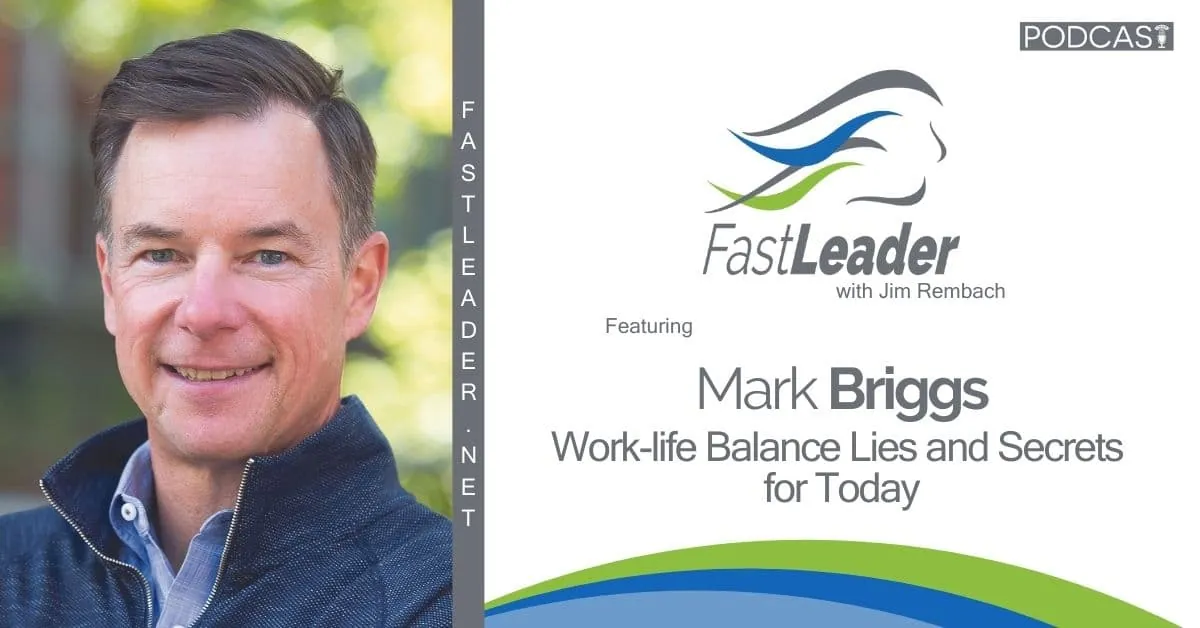
The throughline connecting all the dots in his career, or what some would call his “Blue Flame,” is this: helping people find new ways to be successful.
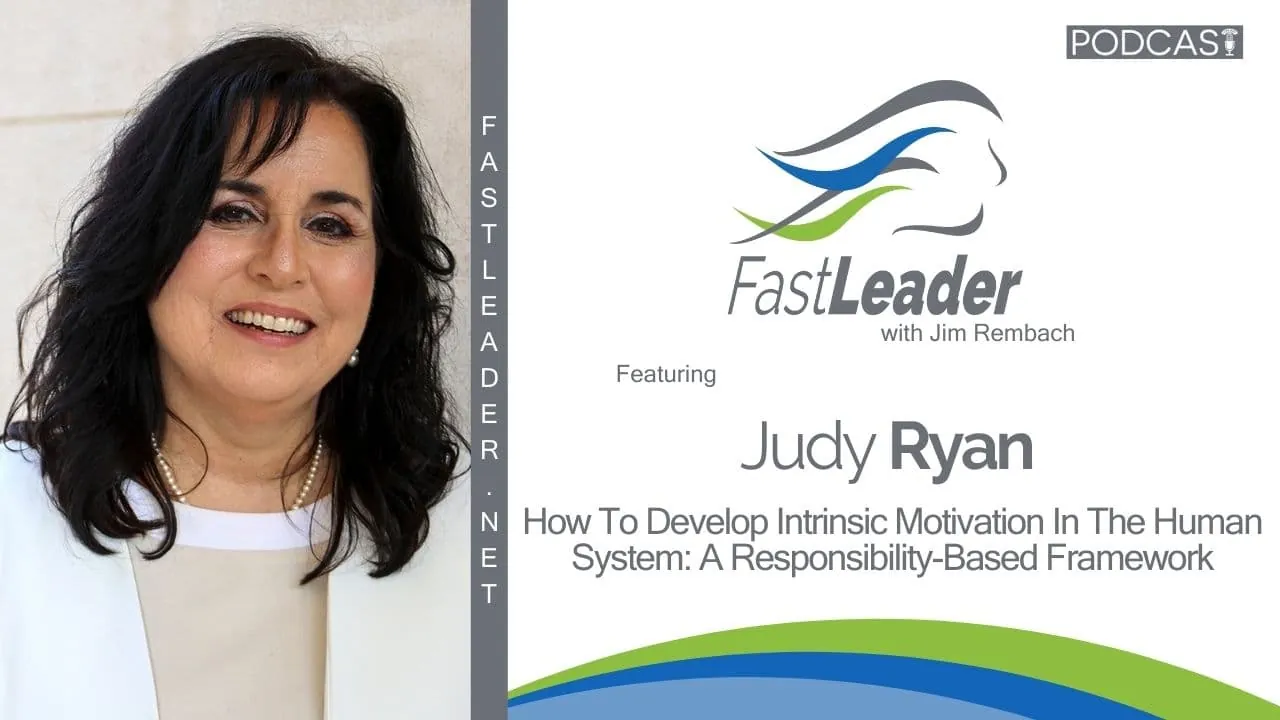
When frontline leaders are forced to manage cross-silo coordination through manual oversight, biological autopilot routines take over to conserve energy.
This creates internal coordination drag, forcing teams to spend vital cognitive capacity managing internal processes rather than delivering market value.
Watch on YouTube, or take the audio with you.