
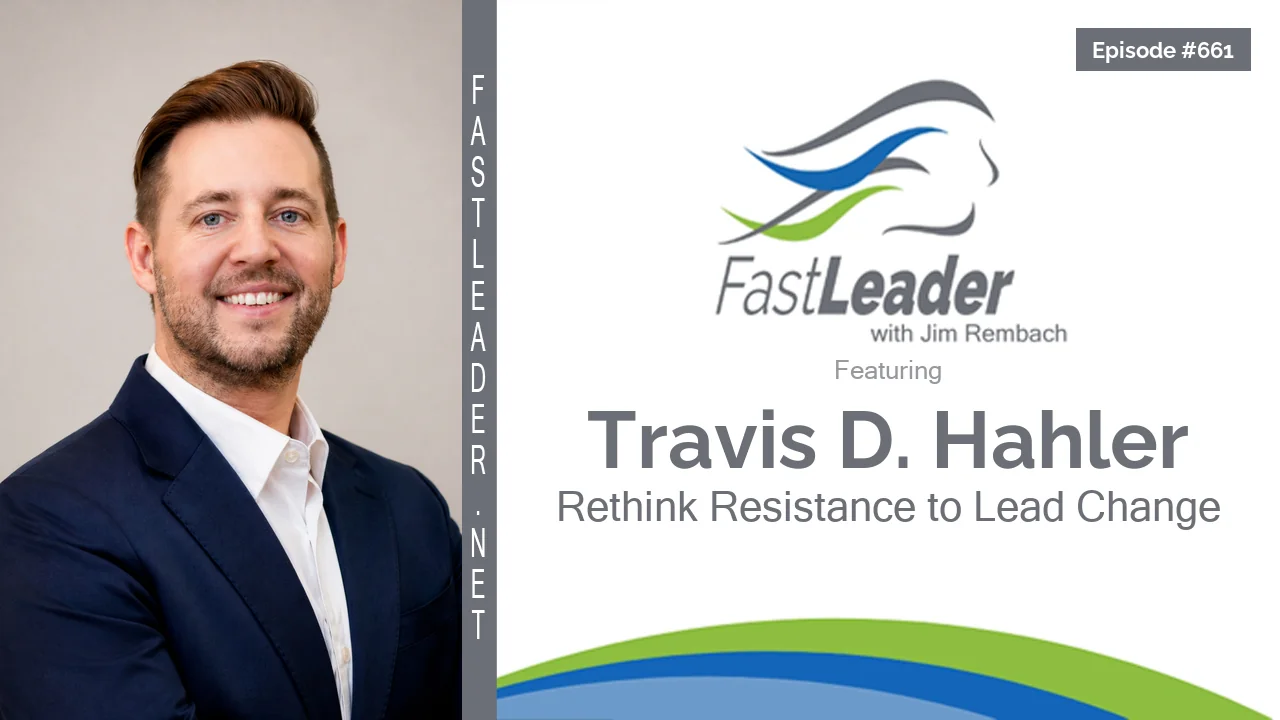
Rethink Resistance to Lead Change | Travis D. Hahler
Rethink resistance to lead change. Travis D. Hahler shows why brains send a check engine light and how six neurological barriers predict where AI transformations stall.
Tag
What happens when machine-scale velocity hits a human-scale administrative design.
Rethink resistance to lead change. Travis D. Hahler shows why brains send a check engine light and how six neurological barriers predict where AI transformations stall.
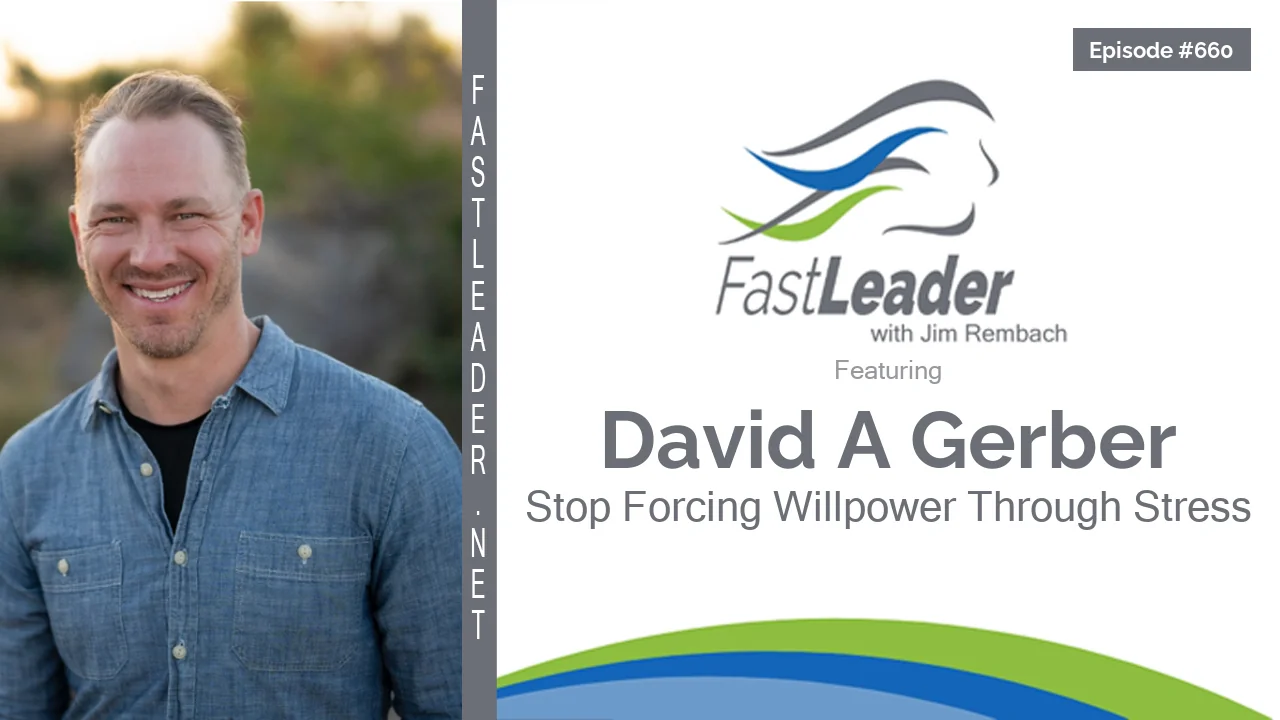
Stop forcing willpower through stress. David A Gerber shows why neck-up efforting burns leaders out and how full-body presence plus composure protects decisions.

Executive Cognitive Capacity and Systemic Organizational Drift Dina Denim Smith shared how growing up on an all-boys boarding school campus in Kent, Connecticut shaped her early perspective on navigating high-pressure environments. Years later, when she transitioned into equestrian dressage to manag
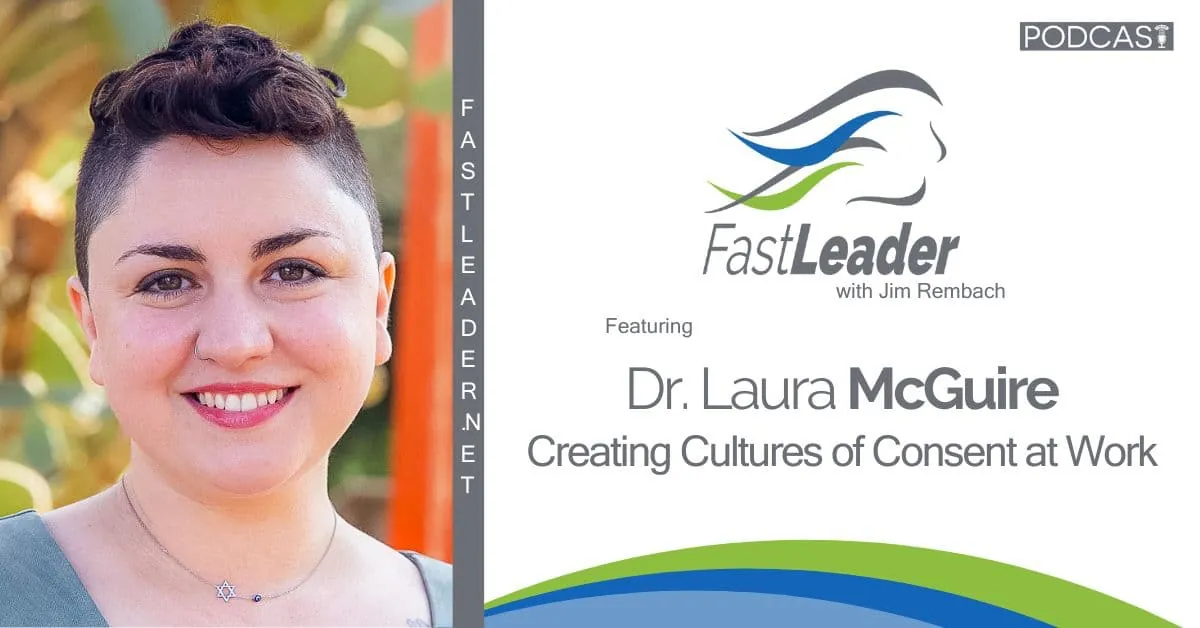
McGuire encourages leaders to embrace change and break free from cognitive dissonance, unlocking the potential of AI and other transformative technologies.
This creates internal coordination drag, forcing teams to spend vital cognitive capacity managing internal processes rather than delivering market value.
While this operational model protects baseline efficiency, it creates severe cognitive load when organizations must adapt to rapid external complexity.
Under daily operational stress, cognitive load increases, and human biology naturally overrides theoretical training to default back to familiar routines.
Without structural guardrails to govern daily choices, organizations fall victim to predictable cognitive biases that quietly drain enterprise momentum.
Teams encounter high cognitive friction because they lack clear execution pathways, causing them to fall back on legacy habits to survive daily operations.

This creates massive cognitive load on leaders, forcing them to spend energy on cross-silo coordination rather than high-value strategic execution.

When operational complexity accelerates, human teams naturally retreat to safe, legacy routines to conserve cognitive capacity and cope with rapid change.
Under high operational pressure, human biology naturally seeks familiar routines and defaults to self-preservation mechanisms to conserve cognitive energy.

Organizational drift occurs when the connection between executive intent and daily operational tasks degrades under time pressure and cognitive overload.
However, under high-velocity operational pressure, human biology naturally seeks to conserve cognitive energy by defaulting to familiar autopilot routines.
By reverse-engineering high-level corporate strategies into bite-sized, daily operational goals, we lower the cognitive load on our workforce.
Traditional training programs assume that learning is purely a cognitive function and that providing better information will autonomously alter behaviors.
When a company attempts to deploy novel, high velocity technologies within a pre-AI framework, the sheer cognitive load exceeds normal human capacity.
When an organization rolls out complex digital tools without providing a clear translation layer, it places a massive cognitive load on the workforce.

Without real-time alignment levers, our teams default to subconscious routines to conserve cognitive energy and avoid the social threat of speaking up.
Watch on YouTube, or take the audio with you.