
Embracing Change One Step at a Time
John Fisher explains why organizational change succeeds one person at a time when leaders provide the scaffolding people need to adapt.
Tag
Adoption as a systems problem. Scaffolding in the flow of work, not a communication plan.
John Fisher explains why organizational change succeeds one person at a time when leaders provide the scaffolding people need to adapt.
McGuire encourages leaders to embrace change and break free from cognitive dissonance, unlocking the potential of AI and other transformative technologies.
After retirement, Walt began some soul-searching about how he could make a difference in the lives of others during the next phase of his life.
Traditional change efforts frequently rely on periodic training workshops or top-down directives without updating the daily operating environment.
Research from the Leadership Execution Institute shows that only 12% of workforce training translates into sustained behavioral change over time.
These are the things that they have to change about their organization in order to become more authentic and, you know, back to KPIs matter.
Well, I mean the like the change is it, I mean you can, there’s a thousand examples where you compare, you know, what we’ve gone through in our lives.
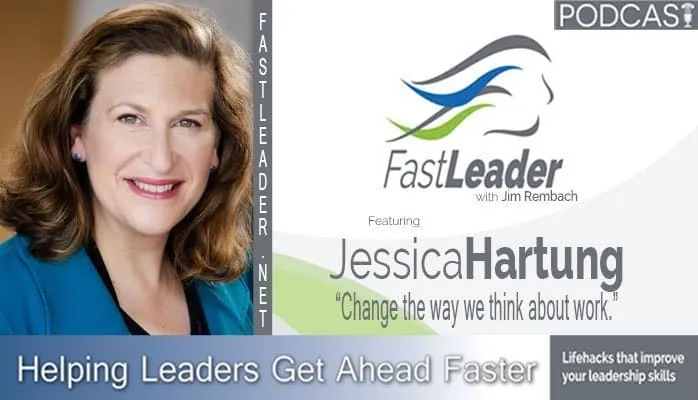
Jim Rembach: Okay Fast Leader Legion you could find links to that and other bonus information from today’s show by going to fastleader.net/jessicahartung.
Jim Rembach: Okay, Fast Leader legion, you can find links to that and other bonus information from today’s show by going to fastleader.net/Kumar Mehta.

When operational complexity accelerates, human teams naturally retreat to safe, legacy routines to conserve cognitive capacity and cope with rapid change.
He is an Eagle Scout and is passionate about helping young people learn life skills, develop character, and navigate the sometimes-difficult teenage years.
Here’s my experience, when you are brought or somebody’s into change they forget to respect the legacy that this people have created in that organization.
I made the same mistake of assuming that providing smart people with clear goals and existing tools was enough to guarantee execution.
When organizations face rapid change, they often suffer from Execution Drift, stalling out because they are practicing fear instead of boldness.